Skip to content

Essential Health Screenings After Menopause

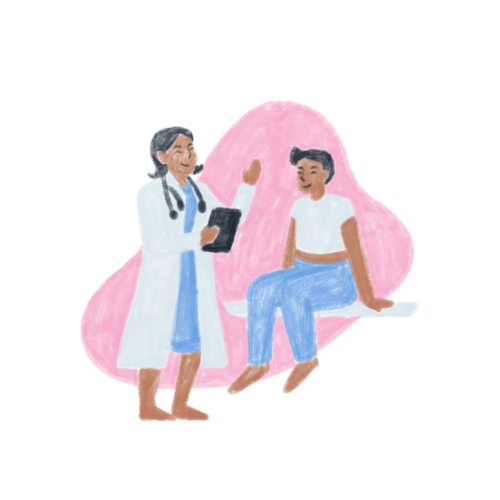
Preventative care is paramount in the postmenopausal years. Your healthcare provider will recommend a schedule of regular screenings to monitor your long-term health. This includes bone density scans (DXA scans) to screen for osteoporosis, especially… 
Protecting Your Heart: A Proactive Approach

Protecting your heart health after menopause requires a multi-faceted approach. Adopting a heart-healthy diet, rich in fruits, vegetables, whole grains, and lean proteins while limiting saturated fat and sodium, is fundamental. Regular aerobic exercise, for… 

Menopause and Heart Disease Risk

Before menopause, estrogen provides a protective effect on the cardiovascular system, helping to maintain healthy cholesterol levels and flexible blood vessels. After menopause, the loss of this protection leads to a rapid increase in cardiovascular… 

Preventing Bone Loss: Exercise is Key

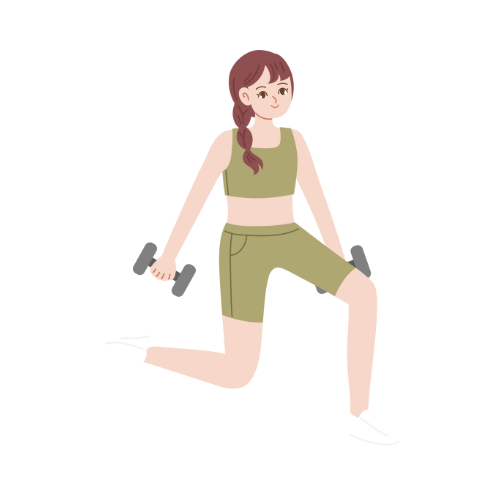
Regular exercise plays a critical role in maintaining bone health after menopause. Weight-bearing exercises, where your body works against gravity, are particularly important because they stimulate bone-building cells. Activities like brisk walking, jogging, dancing, stair… 

Osteoporosis: The “Silent Disease”

Osteoporosis is a condition where bones become weak, porous, and brittle, making them much more likely to break from a fall or even minor stress. It is often called a “silent disease” because it typically… 

Good Habits: Quitting Smoking and Limiting Alcohol

Quitting smoking is one of the most impactful health decisions you can make, especially during menopause. Smoking is linked to an earlier onset of menopause, an increased risk of hot flashes, and significantly raises your… 

Optimizing Sleep: Habits for Better Rest

Improving sleep hygiene is critical for managing the fatigue and irritability associated with menopause. Sticking to a regular sleep schedule, even on weekends, helps regulate your body’s internal clock. It is advisable to avoid caffeine… 

Stress Reduction and Mental Wellness Practices

The menopausal transition can be a stressful time, and high stress levels can worsen symptoms like hot flashes and mood swings. Incorporating relaxation techniques into your daily routine can provide significant relief. Practices such as… 

The Power of Movement: Exercise for Symptom Relief

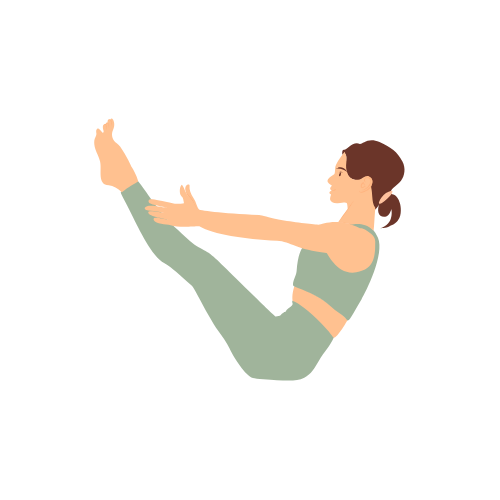
Regular physical activity is one of the most beneficial things you can do during the menopausal transition. Exercise helps manage weight, which is crucial as studies show that being overweight is linked to more frequent… 

Cooling Hot Flashes Through Lifestyle Adjustments

Simple lifestyle changes can be surprisingly effective for managing hot flashes and night sweats. Dressing in layers allows you to remove clothing when a flash begins, and choosing breathable fabrics like cotton can increase comfort.…